
Your customers
Describe the market, typical project type and product positioning. Identify which kitchen designs and finishes you want to discuss.
Discuss Kejia as a cabinet supplier for dealers. Define product selection, sample references, cabinet schedules and repeat-order requirements for your business.
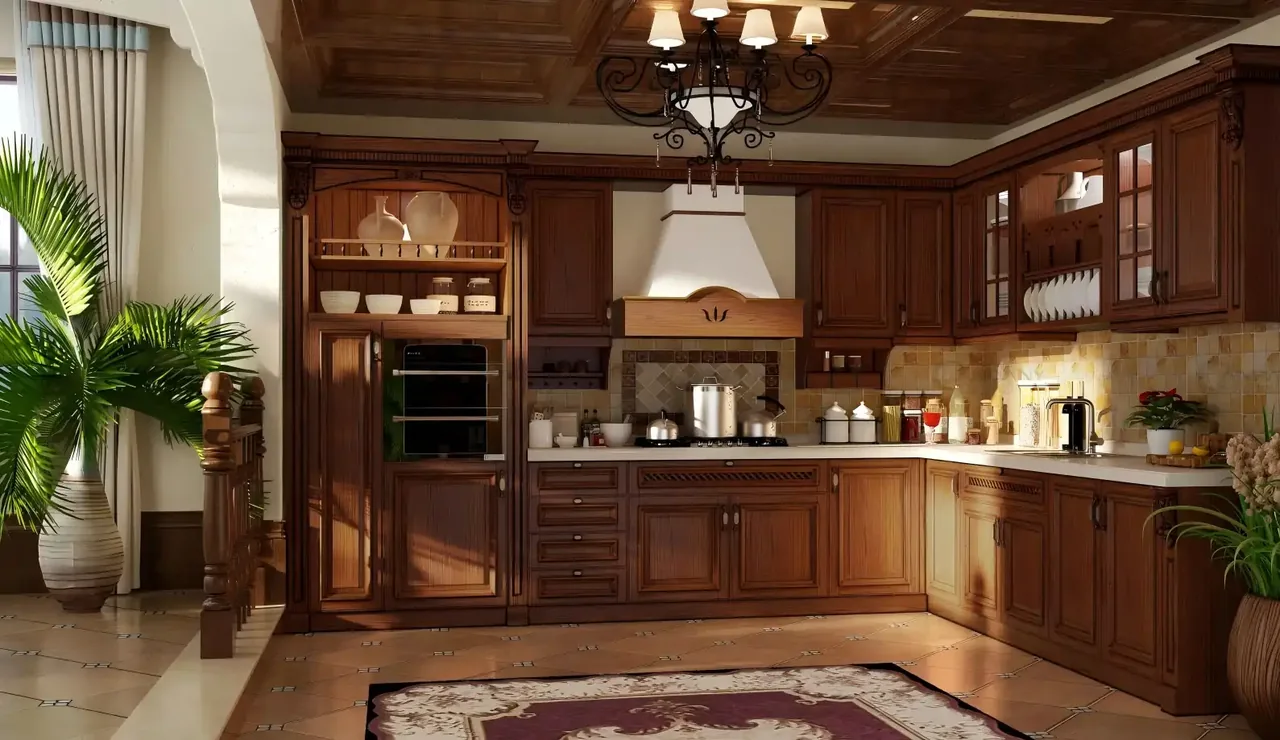
DEALERS / BRANDS / KITCHEN SHOWROOMS
Build your discussion around the designs and materials that fit your customer base. Use a defined sample set, component schedule and quotation scope to keep product choices understandable.
Discuss dealer requirementsDescribe the market, typical project type and product positioning. Identify which kitchen designs and finishes you want to discuss.
List the fronts, cabinet-body construction, hardware and accessories. Record sample references and any options you want compared.
Explain anticipated quantities, drawing workflow and repeat-order needs. Agree actual pricing, scheduling and responsibilities for each order.
Keep the approved appearance, construction and drawing revision in the same order record. Reconfirm material and matching expectations when developing a later order.
Read the sample approval guideA practical path for your cabinetry project.
Room plans, quantities, preferred finishes and destination.
Agree layouts, materials, hardware and the quotation scope.
Approve drawing revisions, samples and production requirements.
Document packing, delivery and installation responsibilities.